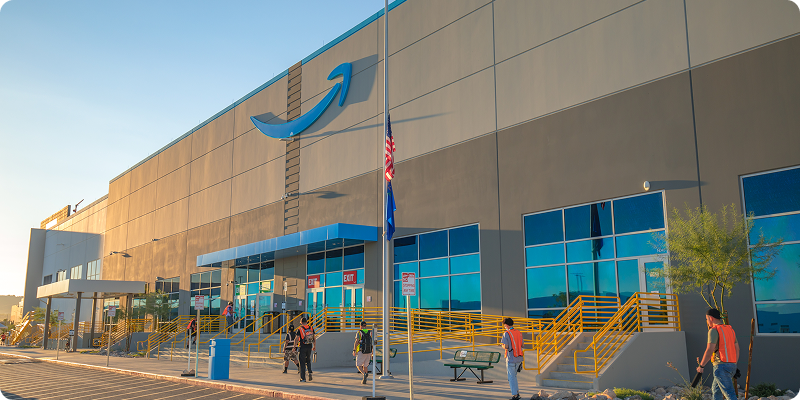
Amazon FBA Explained: How Sellers Can Scale Their Business with Fulfillment by Amazon
Selling on Amazon has become a serious business model rather than a side activity. With millions of
daily shoppers and a global infrastructure, Amazon offers sellers access to markets that would
otherwise take years to reach. At the center of this system is Fulfillment by Amazon (FBA), a
service designed to handle storage, packing, shipping, and customer support on behalf of sellers.
For business owners looking to grow without building their own logistics operation, understanding
Amazon FBA is essential. While the program offers strong advantages, it also comes with
responsibilities and strategic considerations that sellers must understand before committing fully.
What Is Amazon FBA?
Fulfillment by Amazon allows sellers to send their products to Amazon’s fulfillment centers. Once the
inventory arrives, Amazon takes over the operational side of order fulfillment.
Core Functions of FBA
Storage of products in Amazon warehouses
Packing and shipping customer orders
Handling returns and customer service
Managing delivery tracking and confirmations
This system allows sellers to focus more on product development, marketing, and brand growth rather
than daily shipping tasks.
How Amazon FBA Works Step by Step
The FBA process follows a structured workflow that integrates directly with the Amazon Seller Central
platform.
Seller lists products on Amazon
Inventory is shipped to Amazon fulfillment centers
Amazon stores products until orders are placed
Orders are packed and shipped by Amazon
Customer service and returns are managed by Amazon
This process removes many operational burdens that often slow down independent sellers.
Why Sellers Choose Fulfillment by Amazon
Many sellers turn to FBA because it reduces complexity while increasing visibility on the Amazon
marketplace.
Prime eligibility: Products become eligible for Amazon Prime shipping.
Customer trust: Buyers are more comfortable purchasing items fulfilled by Amazon.
Operational simplicity: Sellers avoid managing warehouses and shipping staff.
These benefits can significantly influence purchasing decisions, especially in competitive product
categories.
Scaling a Business with Amazon FBA
Growth on Amazon depends on consistency, customer satisfaction, and operational efficiency. FBA
supports these factors by standardizing fulfillment quality.
Higher conversion rates: Prime badges increase buyer confidence
Expanded reach: Sellers can serve customers nationwide or internationally.
Time efficiency: Less focus on shipping allows more time for marketing and product research.
For sellers with growing order volume, FBA often becomes a practical necessity rather than a luxury.
Understanding the Costs of Amazon FBA
While FBA simplifies logistics, it is not free. Sellers must understand the fee structure to maintain
healthy margins.
Storage fees based on product size and season
Fulfillment fees covering packing and shipping
Long-term storage fees for slow-moving inventory
Removal or disposal fees for unsold stock
Accurate cost calculations are essential. Sellers who ignore fee planning often struggle with
profitability despite strong sales.
Inventory Management and Its Importance
Sending too much or too little inventory to Amazon can create problems. Inventory planning plays a
critical role in FBA success.
Monitor sales trends and reorder points
Avoid excessive storage during high-fee periods
Remove underperforming products when necessary
Track inventory health reports in Seller Central
Careful inventory planning prevents unnecessary expenses and ensures products remain available when
demand rises.
Brand Control and Trademark Considerations
As sellers grow on Amazon, brand protection becomes increasingly important. Unauthorized sellers,
copycat listings, and counterfeit products are common challenges.
Prevents misuse of product names and images
Maintains pricing consistency
Protects reputation and customer trust
Supports removal of infringing listings
Registered trademarks play a central role in accessing Amazon Brand Registry, which offers stronger
tools for brand control and enforcement.
Amazon FBA and Customer Experience
Customer satisfaction is central to success on Amazon.
FBA standardizes much of the buyer experience.
Reliable delivery timelines
Professional packaging and handling
Streamlined return process
Responsive customer support
These factors contribute to higher ratings, repeat purchases, and stronger account health metrics.
Common Challenges Sellers Face with FBA
Despite its advantages, FBA is not without challenges. Sellers must remain attentive to avoid
operational and financial issues.
Unexpected fee increases
Inventory misplacement or discrepancies
Policy changes affecting listing visibility
Account suspensions due to compliance issues
Staying informed and monitoring account performance regularly helps sellers respond quickly to
issues.
Is Amazon FBA Right for Every Seller?
FBA works best for sellers with products that meet certain criteria. It may not suit every business
model.
Small- to medium-sized items
Products with steady demand
Items with healthy profit margins
Branded goods with trademark protection
Sellers offering oversized, low-margin, or highly seasonal products should evaluate alternatives
carefully.
Combining FBA with Long-Term Brand Strategy
FBA should support, not replace, a broader business strategy. Sellers who rely solely on Amazon
without protecting their brand often face limitations.
A strong brand foundation ensures that FBA growth remains sustainable over time.
Final Thoughts: FBA as a Growth Framework, Not a Shortcut
Amazon FBA offers sellers an efficient way to manage fulfillment while reaching a massive customer
base. When used thoughtfully, it supports operational stability, customer satisfaction, and scalable
growth. However, success depends on more than enrollment. Sellers must understand costs, protect
their brand, manage inventory carefully, and remain compliant with Amazon’s policies.
Federal Trademark Service, we support Amazon sellers by helping protect brand identity through proper
trademark registration and brand protection strategies. Because long-term success on Amazon is not
just about selling more; it’s about owning and safeguarding the name behind the product.
Ready to Secure Your Brand?
Your company's name or logo communicates ownership and values we protect your brand to keep it unique!
We help you safeguard your intellectual property against infringement so that you can be the
exclusive owner.
Secure your brand online in minutes with our support.
Fill out the form to get personalized support from our trademark
experts. We’ll guide you through the registration process and help
safeguard your valuable assets.